Events & Webinars
Stakeholders Task NIFIAN to Deepen Financial Inclusion in Nigeria
NIFIAN’s third industry webinar, “Transformational Development through Non-Interest Finance,” brought members and experts together on how the sector can widen access to finance in Nigeria.
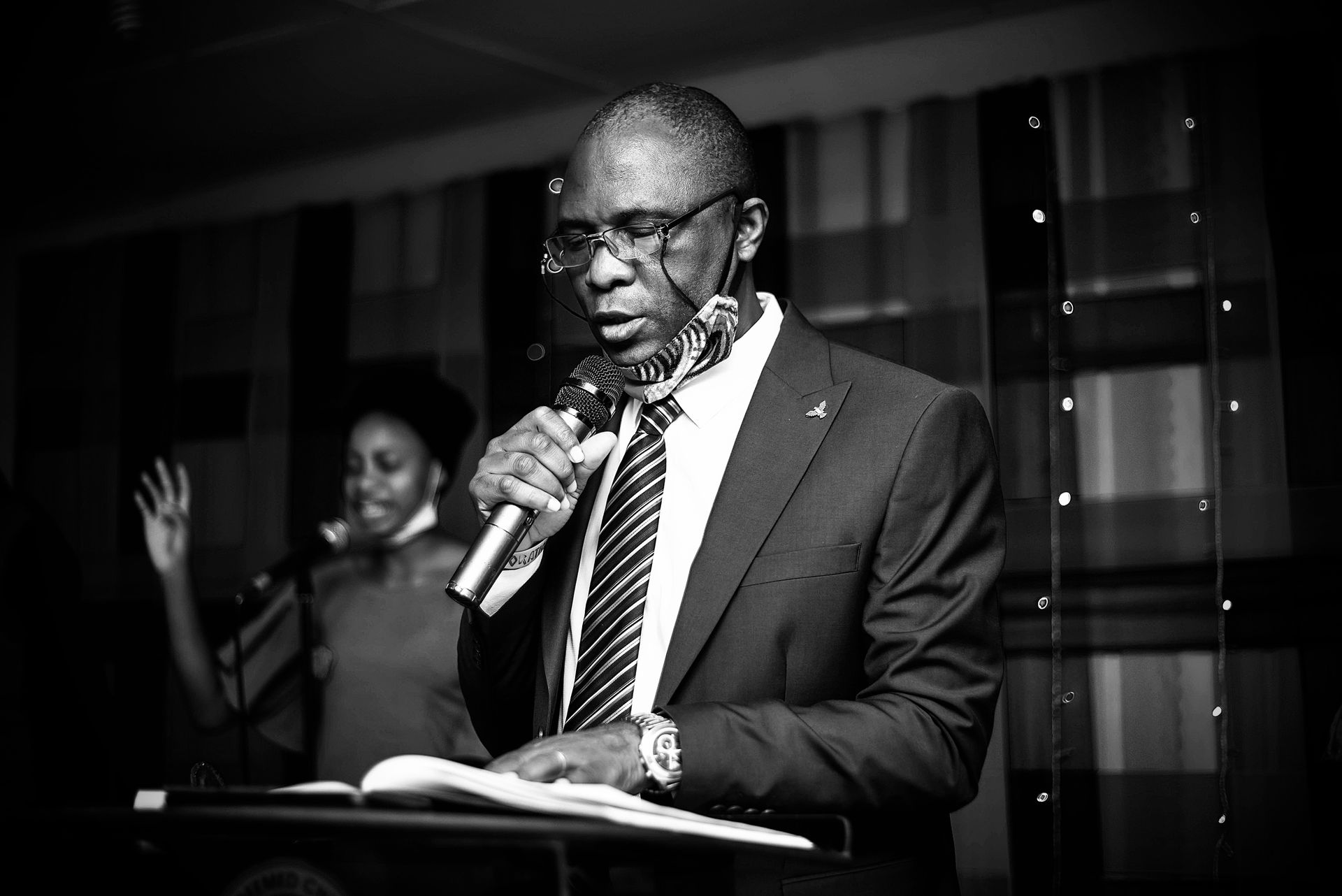
The Non-Interest Financial Institution Association of Nigeria (NIFIAN) recently hosted its 3rd webinar with the theme “Transformational Development through Non-Interest Finance”.
Non-interest finance aims to align with economic development and social welfare across the globe. Non-interest finance in Nigeria has improved social welfare and financial inclusion.
The 2021 survey by EFInA showed that 36% of adults are excluded from financial products or services. NIFIAN intends to research the contributions of non-interest finance and support accelerated inclusion.
The NIFIAN members offer savings, credit, investment, takaful, and microfinance services to the ethical-minded investors demography.
Giving the welcome address at the webinar, the president of NIFIAN, Mr. Hassan Usman, said financial markets are an engine or catalyst for economic growth and development.
He acknowledged that banks spur innovation by identifying emerging entrepreneurs in innovative products and processes; it plays a crucial role in developing any economy. The overall economy folds into two sectors, the real sector and the financial sector.
Speaking on the importance of the finance sector, he said financial markets mobilise savings of surplus units. Usman said there is no doubt that contemporary non-interest finance relies on Islamic jurisprudence as a tool for society’s economic and social development.
According to him, many believe that the Bank of Saint George established in 1407 was the first depository bank. Still, in the Muslim world, they had banks involved in letters of credit in the year 900; for 100 years, Islamic finance worked effectively among merchants who bought and sold on profit-sharing mudaraba agreement sustaining economic growth and eradicating poverty.
Also, the principles of the SDGs are in the maqasid of Shariah-compliant non-interest financial institutions, which can be a part of the future financial model of achieving a private balance. Islamic finance is growing in Nigeria, especially in transforming infrastructure. The challenge is how Islamic finance ensures balanced development for those financially excluded economically.
The keynote speaker, Dr. Abdullateef Bello, Managing Director, Datstrat Consulting Limited, speaking on the “Impact of Islamic finance in developing Emerging Economies”, explained that UNSDG 2018 said to increase the share of resources available for development purposes and to ensure that these resources are provided, Islamic finance offers a novel option.
Editor’s note — added August 2026
- This article cites EFInA’s 2021 figure of 36% financial exclusion. That figure has since been superseded: EFInA’s 2023 Access to Financial Services survey puts national exclusion at 26%, with 47% in the North West and 38% in the North East.
- The original wording is preserved above as published. See the Finance Hub for current figures.
Source. Originally published by NIFIAN at nifian.org/stakeholders-task-nifian-to-deepen-financial-inclusion-in-nigeria on 26 September 2024. Reproduced here as part of the site migration.